Tenerife, the island of eternal spring, is also an island of contrasts, where volcanic plains, green northern slopes, black and golden sand beaches, and lively resorts alternate within a small area. The weather is pleasant and sunny year-round, and you’ll find plenty of options for both an active holiday and peaceful relaxation.
Tenerife is one of the most popular Canary Islands, and it’s no coincidence. Within a relatively small area, it offers an unexpectedly diverse landscape that can change beyond recognition during a short drive. From parched volcanic fields and dramatic cliffs to green northern slopes with banana trees, fine sand beaches, and natural lava pools. The island’s dominant feature is the Teide volcano, which sets the tone for the entire landscape and creates a backdrop visible from many places.
This island is often seen as a typical holiday destination, but it has many more faces than just hotel resorts and beaches. You’ll find historic towns with colonial architecture, small mountain villages, traditional Canarian cuisine, and vast natural areas protected by national parks. Thanks to its stable climate, Tenerife is an ideal place to visit year-round, whether you’re looking for an active holiday, hiking, swimming in the ocean, or a quieter exploration of local life.
Which part of Tenerife is the most beautiful?
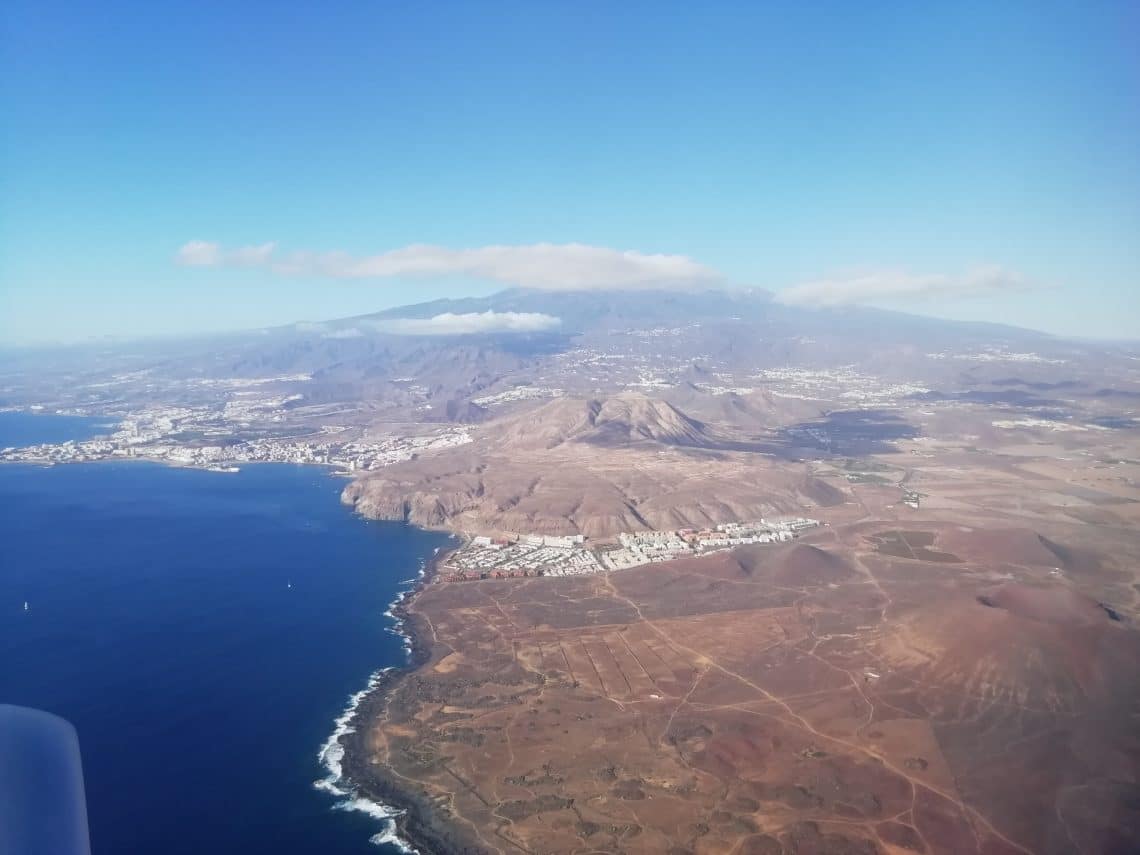
Which part of Tenerife suits you best depends on what you expect from your holiday. If you mainly want to swim and sunbathe, definitely head south, where there are beautiful beaches and sunny weather. The downside can be that the parched south of Tenerife is a bit of a “tourist hell.”
If you want to experience an authentic atmosphere and explore sights, head north, which is greener and richer in excursion options.
We visited the south too, and the swimming is really pleasant there, but my heart belongs to the green north, where there is so much to explore and discover.
When is the best time to go to Tenerife?
Tenerife is beautiful at any time of year, but its beauty stands out most when it’s winter, gloomy, and raw back home. Personally, I’d recommend November, when the weather is already nasty here, but Tenerife enjoys partly cloudy to sunny weather and a lovely 25 degrees—perfect for swimming. As winter approaches, it’s still pleasant, but it can get cooler, especially if you’re not in the beachy south. In spring, the swimming is nice and the weather is great for exploring the island. Summers in Tenerife are mild, so you can even head here to escape the worst of the summer heat.
How many days to spend in Tenerife?
Tenerife is rich in natural beauty and sights, and there’s enough to explore for a month. If you don’t mind a longer journey of around five hours, you can even just pop over for a long weekend to warm up, but I’d recommend at least two weeks. When we first went to Tenerife, we only spent a week there and it wasn’t nearly enough. As departure day approached, we wanted to stay longer. The second time, we went for the whole of November. And it was truly pleasant to spend that gloomy and raw month in a place where it’s sunny with temperatures around 25 degrees.
Flights to Tenerife

From Prague, Smartwings and Eurowings fly directly to Tenerife South Airport (TFS) 5 times a week; the flight takes 5 hours and 25 minutes. Tickets can be found from 5,000 CZK. You can compare current flight prices here.
You can also fly from airports near the Czech Republic, where tickets are cheaper, but you have to account for a longer journey. You can fly from Vienna with Ryanair or from Berlin with Ryanair or Easyjet. The flight from Vienna takes 4 hours 25 minutes, the flight from Berlin 5 hours 25 minutes. From Vienna, tickets can be found for under 3,000 CZK, and from Berlin they are even cheaper—at the time of writing, the cheapest ticket to Tenerife was 1,680 CZK. Of course, the more flexible you are with time, the cheaper the prices you can get. If you’re looking for flights on fixed dates, you’ll have to accept a higher price.
If you’re looking for cheap flights to Tenerife, you can also fly with a layover in England with Ryanair, or with a layover in Spain with Vueling. If you want to visit the north of Tenerife, Vueling has the advantage of flying to Tenerife North (TFN) airport, while other companies land at Tenerife South (TFS).
The first time we flew from Berlin, but the second time we went with Smartwings directly from Prague. The second time, it was worth it for us to pay extra for a shorter journey. We figured that in the five hours it takes to get to Berlin, we’d probably earn the difference and there’s no point in suffering through a long commute.
Transport in Tenerife
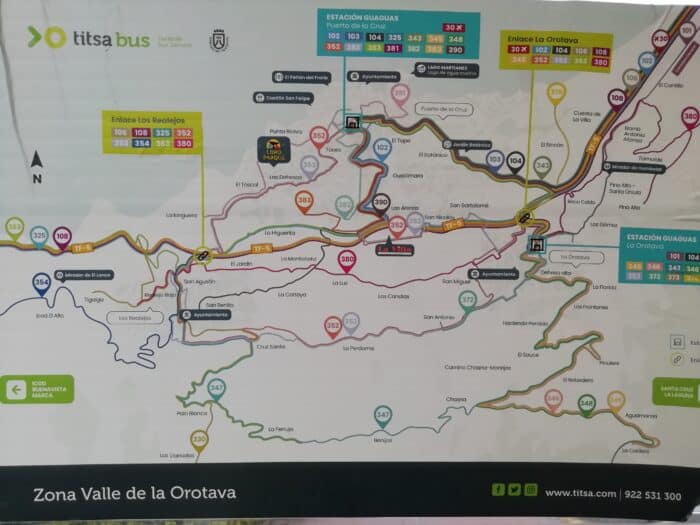
Local bus routes are a reliable way to get around the island. You can find timetables at https://titsa.com. You can buy tickets via the Ten+ Móvil app or from the driver. You can pay in cash or by card. A single ride varies by route and distance; short trips start from around 1.20 euros and longer intercity journeys can cost up to 9 euros.
One-day and multi-day tickets (e.g., 24h or 7 days) and the Ten+ Wallet top-up card, which can be shared by multiple passengers, are purchased at TITSA sales points at bus stations, at vending machines at stops, at some tram stations, or in the Ten+ Móvil app.
Timetables for the Tenerife tram with two lines can be found at https://metrotenerife.com/.
Taxis are a convenient and commonly used way to get around Tenerife. All official taxis are white with a meter, regulated, and you can hail them directly on the street, at stands, or order them by phone or via mobile apps. A light on the roof indicates if it’s free, and you can pay for the ride by card or cash.
Typical fares include a starting rate of around 3–4 euros and then approximately 1–1.5 euros per kilometer, with higher rates at night, on weekends, and during holidays. The surcharge for airport arrival is usually around 2–2.10 euros.
The price of a short ride in the city starts from about 1 euro, longer transfers such as from the airport to tourist areas are usually around 30–35 euros, while longer trips across the island can cost more depending on the distance.
Local taxi services include Taxi Santa Cruz de Tenerife, TAXI & BUS TENERIFE, or Taxi Javier González Puerto de la Cruz.
Accommodation in Tenerife
South Tenerife
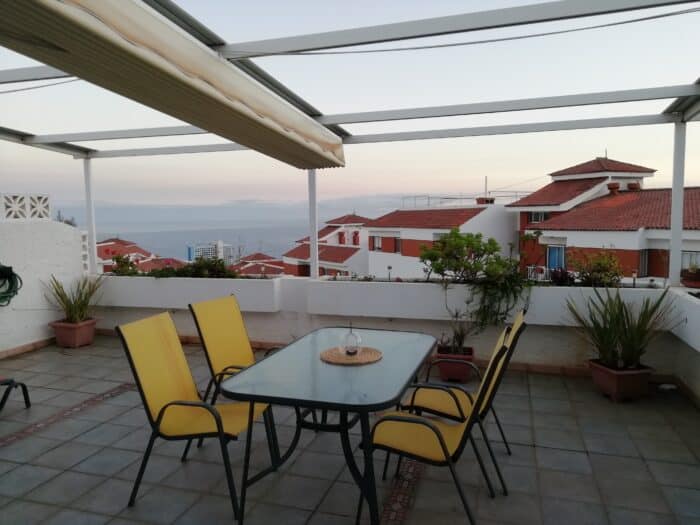
If you’re heading there primarily for swimming, look for accommodation in the south of the island. I would choose, for example, the holiday home Finca Mariposa, the apartment Obsidian Aquarela, or the cheaper Appartement résidence Casablanca II. Another budget option with a sea view is Costa Adeje Duplex with Sea View. All these apartments have an excellent location in the Costa Adeje resort and have their own kitchen.
North Tenerife
If you want to experience authentic Tenerife, head north. We stayed in a pleasant studio in Puerto de la Cruz with a lovely owner who, by arrangement, even provided us with a portable heater (I usually get cold at night, so I really appreciated it). However, we missed having a balcony there.
A cheap accommodation option in Puerto de la Cruz is Estudio Edificio Emblemático Primera Línea. You have a year-round outdoor pool at your disposal, and Playa de Martiánez is just 200 meters away. The only complication might be the parking lot located 1.4 km from the accommodation. The price for a week’s stay at the time of writing is 9,330 CZK.
Cerca de Playa Jardín is a highly-rated budget apartment with city views in a quiet location near the center of Puerto de la Cruz. Playa El Muelle is just 400 meters from the accommodation. The price for a week’s stay at the time of writing is 11,390 CZK.
A pleasant, slightly more expensive option is Casa Sunset with two bedrooms and a kitchen, which has a garden and a balcony with mountain views, and can be stayed in for a reasonable price. There’s also an outdoor pool and free private parking. Playa Jardín is just 800 meters from the apartment. And you even get a bottle of sparkling wine as a welcome.
If you get cold like me and are looking for apartments with heating, you can choose here. Today I would choose the cheap but excellently rated Neue Terrassenwohnung mit Pool Puerto de la Cruz, which offers a kitchen, terrace, free parking, and a private pool, or Apartamento Sandra, which is closer to the sea and offers an outdoor pool, terrace, kitchenette, and free parking.
Camping in Tenerife and the Canary Islands is regulated and requires a permit from the Cabildo de Tenerife. You can also find quite cheap private campsite offers.
Tenerife map for download
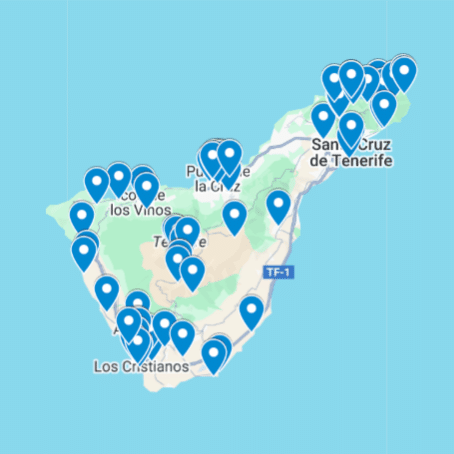
I’ve prepared a detailed digital map for you, where you’ll find over 50 things worth seeing in Tenerife. These are the ones I write about in this article. You’ll also find various accommodation options in it. You can download it for the price of one beer in Prague 🙂
How expensive is Tenerife?
Prices in Tenerife are very similar to those back home, slightly higher for some things. Tourist areas in the south of Tenerife like Costa Adeje or Playa de las Américas tend to be more expensive. Accommodation prices are comparable to those in Prague. In other parts of Tenerife, accommodation is cheaper. You can find a cheaper room for two from 50 euros. In high season, which is mainly Christmas and summer, accommodation prices are higher.
You can get a meal in a restaurant for 10-15 euros; food in shops costs about the same as in the Czech Republic. Cheese and meat are cheaper, while fruit and eggs are more expensive.
Public transport in Tenerife is reliable and quite cheap. TITSA buses with a Ten+ card cost from 1.5 euros per ride, and you can rent a car from 20-30 euros per day.
What to eat in Tenerife?

Be sure not to miss the traditional local mojo sauce. We absolutely loved it and bought some to take home as a tasty souvenir. The red sauce is mojo picón, the green is mojo verde, and both are delicious. Green mojo is with coriander and garlic, red with paprika and chili.
Since you’re by the sea, there’s excellent fresh fish. They’ll likely serve it to you with papas arrugadas—wrinkled potatoes, which are potatoes boiled in their skins in heavily salted water. The fish soup caldo de pescado is also excellent.
If you’re a meat eater, you’ll enjoy ropa vieja, which translates to “old clothes.” It’s called that because it’s actually cooked from leftovers—it’s a stew of chicken, pork, or beef served with vegetables, potatoes, and beans.
A traditional local food is gofio, a flour made from roasted grains of corn, wheat, or various cereals. Gofio is used to make desserts, added to sauces, and also added to a glass of milk that locals drink for breakfast.
A typical local dessert is bienmesabe, whose name literally means “it tastes good to me.” It’s a thick almond cream made from crushed almonds, sugar, honey, and egg yolks. It’s served with cinnamon and a meringue topping.
The local banana liqueur, called licor de plátano, is prepared from bananas, spices, and vodka or another clear spirit. You can also taste it in the popular Canarian drink barraquito, a layered coffee drink made of condensed milk, coffee, milk foam, and liqueur.
Read also: What to eat and drink in Tenerife? 43 delicacies you can taste on the island of eternal spring
What to bring back from Tenerife?

I already mentioned that our favorite souvenir was mojo. The tasty sauce is good as a memory of sunny Tenerife days and as a travel gift.
Other suitable edible and liquid souvenirs include Canarian wine, honey rum (ron miel), banana liqueur, local beer Dorada or Tropical, gofio, or goat cheese.
The symbol of Tenerife is the lizard, so you can buy many gift items with this animal motif. I have two lizard mugs at home and they are among my favorites.
Jewelry made from lava stone with its typical black, porous appearance is typical.
Another popular souvenir is aloe vera cosmetics, as well as ceramic products like hand-painted tiles, plates, bowls, or candle holders. One of the traditional products in northern Tenerife is lace.
What clothes for Tenerife?
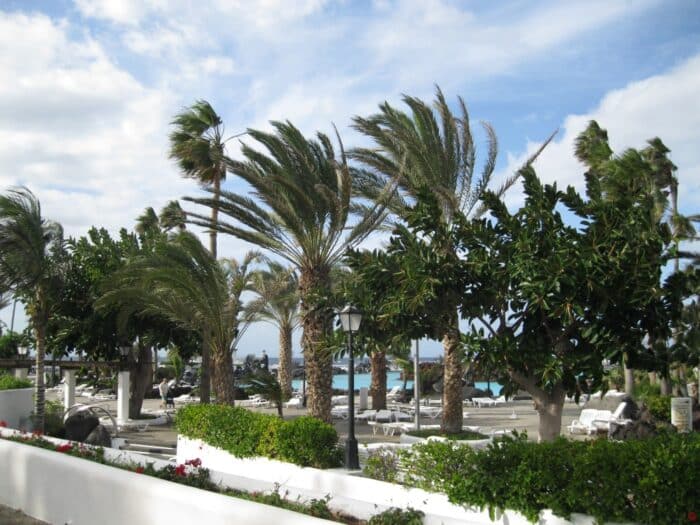
During the day it’s warm, and you’ll be fine with light summer clothes. But as soon as the sun starts to dip towards the horizon and evening comes, temperatures drop quickly and a sweater or hoodie along with long pants will come in very handy. If you’re planning trips to the mountains, it definitely doesn’t pay to rely just on the fact that you’re in the subtropics.
As the altitude increases in Tenerife, the temperature drops rapidly, so in one day you can experience sunbathing on the beach and snow on the peak of El Teide. Quality mountain footwear, warmer layers, and basic gear are a must, especially in the higher elevations of Tenerife, where the weather can change surprisingly quickly.
Read also: Weather in Tenerife year-round
What is typical for Tenerife?
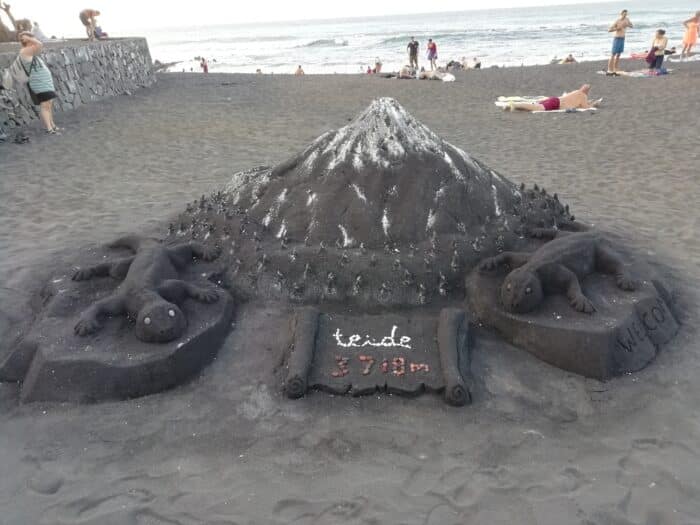
Tenerife is characterized by an extraordinary diversity of nature, from the imposing Teide volcano to green subtropical forests and typical black volcanic beaches. It earned the nickname “island of eternal spring” thanks to its stable and pleasant weather year-round. The island is also home to unique fauna and flora, including iconic dragon trees—typical trees—and a number of endemic species found nowhere else in the world. Added to this is a distinct local culture, famous for its lively carnival, traditional architecture with wooden balconies, and cuisine where mojo sauces play a leading role.
What to watch out for in Tenerife
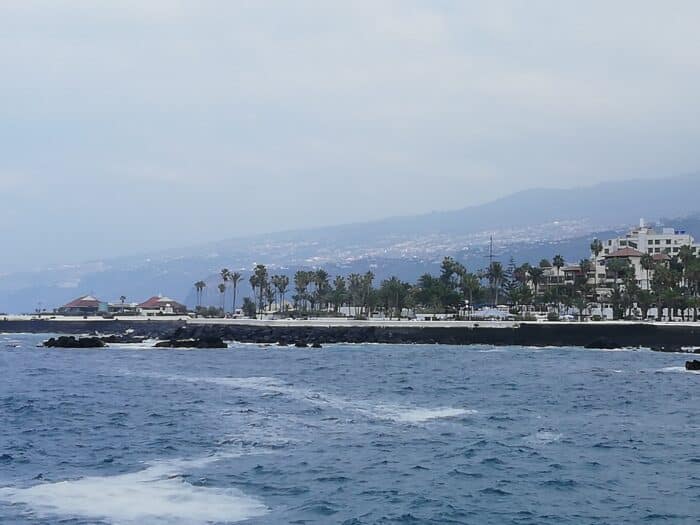
The Canary Islands are generally a very safe location. Crime is relatively low here.
In tourist areas, watch out for pickpockets, especially in crowded places like beaches, promenades, or buses. Don’t leave valuables in the car when parking. If you lose something, you must report the theft to the local police within 24 hours. Meeting this deadline is crucial for making an insurance claim.
Also, watch out for hidden charges in restaurants. It can also happen that they promise you low prices and special offers when you enter a restaurant, but then charge you more.
Don’t forget to protect yourself from the harsh subtropical sun with SPF 50 sunscreen and a hat. Even if temperatures are lower, the sun can be very intense and you risk getting burned. Don’t forget to stay hydrated too.
If you’re heading to higher altitudes, for example to Anaga or Teide, be aware that it can be very cold there. Especially when climbing El Teide, don’t forget sturdy shoes, long pants, and warm jackets. Some places even think of this—for example, in Cruz del Carmen, where the Path of the Senses in Anaga begins, they even sell windbreakers and long pants. Unprepared tourists in beachwear probably head here often.
Also note that supermarkets and grocery stores are closed on Sundays, so stock up on food in advance.
Although the standard voltage used on the islands is 220 V, this isn’t always the case. In older houses, you might encounter lower voltage, around 125 V. Sockets are standard two-pin, and if you need an adapter, you can easily get one in local supermarkets.
Upon arrival, you need to set your clock back one hour compared to mainland Spain.
Watch out for accommodation in the center of Santa Cruz during Carnival—it’s very noisy and busy.
As in many other southern European destinations, accommodation usually doesn’t have heating. If you get cold at night like me, it’s good to keep this in mind when choosing accommodation. Accommodation with heating in Tenerife is rarer, but it can be found. If you want heating, choose here. A cheap option with heating is, for example, Neue Terrassenwohnung mit Pool Puerto de la Cruz, which offers a kitchen, terrace, free parking, and a private pool.
Best beaches in Tenerife
Playa de las Americas
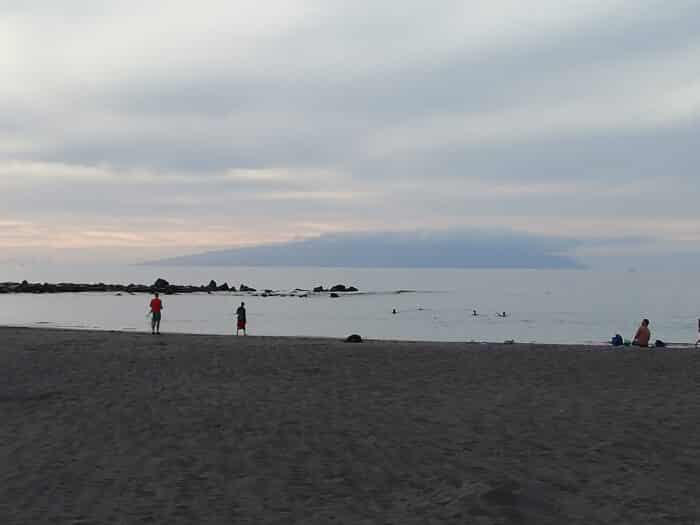
The main beach of the resort of the same name lies between the resorts of Los Cristianos and Costa Adeje. It’s covered with golden sand imported from the Sahara. Besides swimming, it’s also the center of nightlife in Tenerife. It offers a wide range of activities, including water sports and restaurants with sea views.
Playa de Las Teresitas
Playa de Las Teresitas, near Santa Cruz de Tenerife, with golden sand imported from the Sahara, offers a peaceful environment for families with children and relaxation. The water entry is shallow here, and you’ll find sun loungers and umbrellas. You can get here by car and public transport, and there are plenty of parking spaces. This beach is considered one of the most beautiful beaches in Tenerife.
Playa Jardín
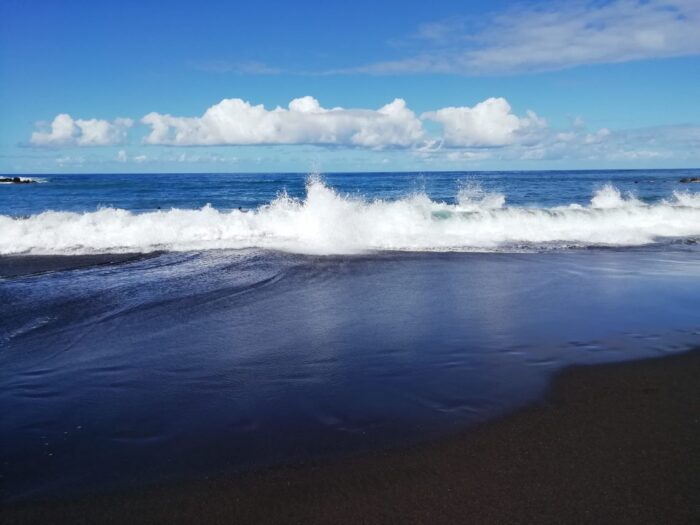
This black sand beach is located right in Puerto de la Cruz. It’s surrounded by gardens designed by César Manrique. You’ll find sun loungers and umbrellas here. During our visit, however, there were giant waves, so it wasn’t really possible to swim.
Playa La Arena
This beach with black volcanic sand, crystal-clear water, and rich marine life is an ideal place for snorkeling. The beach has Blue Flag status, which guarantees cleanliness and safety.
Playa de las Vistas
This beach in the tourist resort of Los Cristianos is one of the liveliest beaches in Tenerife. You’ll find golden sand and calm water here. You can enjoy water sports from paddleboarding to water skiing and parasailing. The beach is lined with a promenade with restaurants and cafes.
Playa del Médano
Playa del Médano is a center for water sports, especially windsurfing and kitesurfing. A steady wind blows here, and the long sandy strip of the beach provides a peaceful place to stay by the sea.
Playa del Duque
This beach offers luxury amenities and top-notch beach clubs. The beach lies in a prestigious part of Costa Adeje, lined with top hotels and exclusive resorts. It’s especially suitable for visitors who prefer staying in a stylish environment. The beach boasts Blue Flag status for water cleanliness and excellent facilities.
Playa de la Tejita
This beach is ideal for windsurfing and kitesurfing enthusiasts because of the steady wind. The long beach with golden sand offers a pleasant base for water sports.
Playa de Benijo
A quiet, picturesque black sand beach is an excellent place if you crave peace and breathtaking views. You can admire the jagged cliffs and dramatic rock formations here. This beach is an ideal spot for watching the sunset.
What to see in Tenerife
El Teide
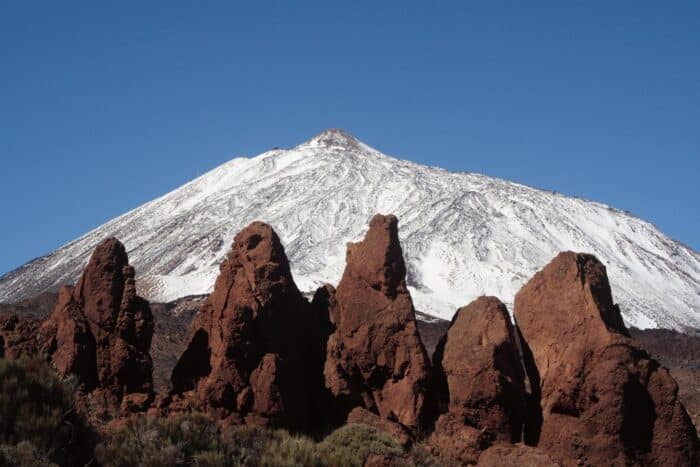
The Guanches, the original inhabitants of the Canary Islands, believed that El Teide was the gateway to hell. At 3,718 meters, El Teide boasts the title of the highest mountain in Spain. One of the greatest experiences in Tenerife is climbing to its summit. You can head up on foot or take the cable car. You need to book entry to the peak of El Teide months in advance, as only 150 people per day are allowed. The reservation is for a two-hour slot, and entry is possible from 9:00 AM to 5:00 PM (last entry at 3:00 PM). The climb to the volcano’s peak from the upper cable car station is about 1.6 kilometers long and takes roughly 45-60 minutes. You can make a reservation here.
You can book a cable car ride to El Teide here. If you want to take the cable car, be careful not to book entry for a later hour than the last cable car goes down, like we did. Because of that, we didn’t end up getting to the top of El Teide, as it was no longer possible to book another time for the summit visit.
You can also head to the peak from the Montaña Blanca parking lot, but that route is only for experienced hikers. The route is 8.3 km long with an elevation gain of 1,530 meters and the climb takes approximately 5-6 hours.
If you don’t want to worry about anything, you can book a full-day trip to El Teide with pickup at your chosen hotel and the cable car included. The ticket includes the climb to Teide from the upper cable car station and guide services. However, it does not include the permit for the summit climb—you have to apply for that separately.
A romantic but most demanding option was the climb with an overnight stay and watching the sunrise on the Teide peak. If you got to the upper cable car station before 9 AM, you didn’t need a permit to enter the summit. You had to book an overnight stay at the Refugio Altavista mountain hut along the way, but it’s closed until further notice. An interesting alternative is the Mount Teide Sunset and Night Tour with pickup, which includes transport from a meeting point near your hotel and watching the sunset and stars using professional telescopes.
Pico del Teide National Park
The most visited park in Spain with its typical lunar landscape is a UNESCO World Heritage site. The park is located in the central part of Tenerife and is the result of volcanic activity. It’s situated at an altitude above 2,000 meters and you’ll find many interesting plants here, and despite the apparent inhospitality of the lunar landscape, you’ll find many plants and animals. Two information centers and an extensive network of signs will help you find your way. Interestingly, “lunar landscape” isn’t just a phrase in this case—instruments intended for Mars expeditions are tested in Pico del Teide Park. You can order a private tour of Pico del Teide with hotel pickup here.
Roques de García rock formation
Roques de García is one of the most visited places in the Las Cañadas del Teide National Park. It’s the crater of an old volcano where you’ll find many interesting rock formations that are remnants of an ancient rock barrier that once separated two original volcanoes. The most famous of them is Roque Cinchado—God’s Finger—and La Catedral, which is popular with climbers. You can also see the Stone Tree and the Llano de Ucanca plain. You can explore them via a marked hiking trail that is about 4 kilometers long.
You can pick up a free trail map at the local tourist center. You’ll also find free parking there, with a stop for bus line 342, which runs once a day—it leaves Costa Adeje for Pico del Teide in the morning and returns in the afternoon. By car, you can get here from Santa Cruz de Tenerife in 65 kilometers and from Los Cristianos in 45 kilometers.
Teide Observatory
The Mount Teide Observatory is located on the mountain of the same name at an altitude of 2,400 meters, and stargazing from there is an experience. The observatory was founded in 1964 and today covers an area of 50 hectares. It’s the largest solar observatory in the world. You can go on daytime tours of the observatory, where you’ll learn about its history, view selected telescopes with commentary, and observe the Sun, or on nighttime stargazing tours with commentary on constellations and night sky photography. Advance booking is required. You can make one here.
Anaga
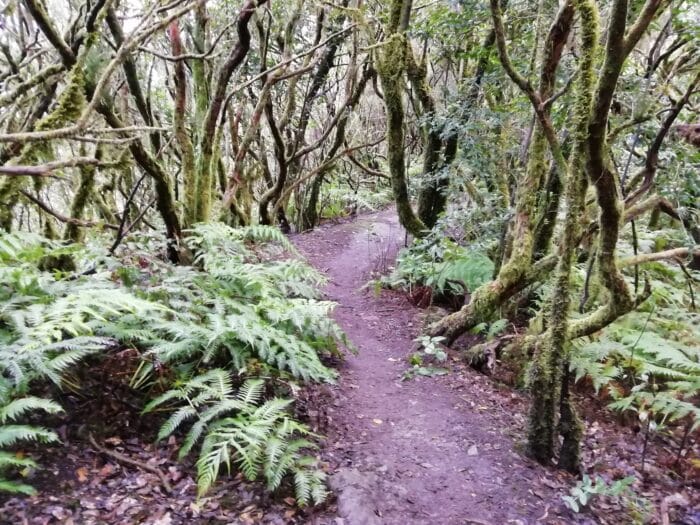
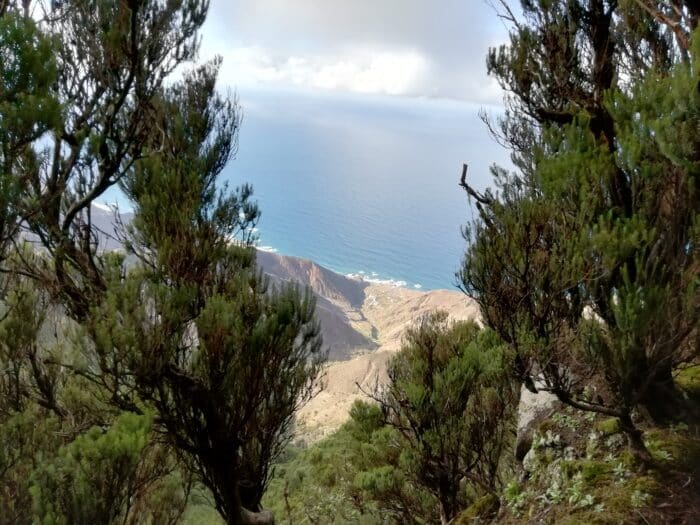
Parque Rural de Anaga, a biosphere reserve located in northeast Tenerife, is known primarily for its laurel forest and dramatic landscape with ravines, cliffs, and small villages. It’s one of the richest places for endemic species in Europe. The local humid and lush vegetation is typical, contrasting with the drier rest of the island. The Anaga Mountains catch the rains coming from the north, so there’s plenty of moisture, while the rains don’t reach further inland.
There are many different trails you can walk in the Anaga Mountains. The Path of the Senses is an easier route suitable for families with children, or even for people with reduced mobility. It starts at the Cruz del Carmen visitor center.
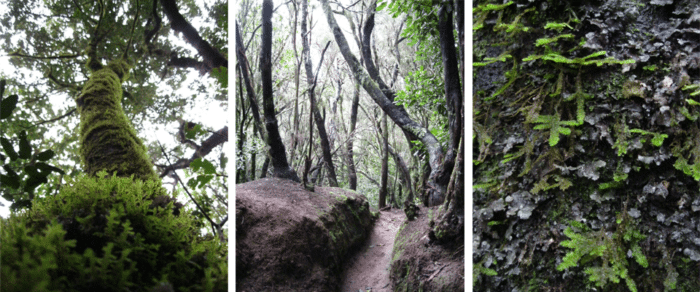
For the Enchanted Forest trail in Anaga, you need to have a reservation, which you can make here. They only let 45 people per day in to preserve the unique laurel forest.
A longer trip is the Chamorga circular route, which is 8.2 kilometers with an elevation gain of 620 meters and takes about 3.5 hours. The route starts with a steep climb to the ridge of the gorge, followed by a descent down to the sea. You’ll pass the Faro de Anaga lighthouse and reach the village of Roque Bermejo, where you can have a drink at the local bar or swim in the bay. Then you’ll climb back up the gorge with ocean views to Chamorga.
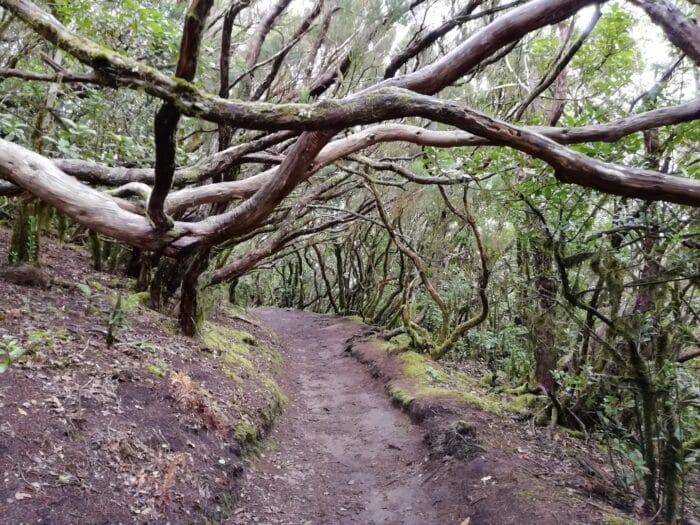
If you want to enjoy a trip to the Anaga Mountains in peace with pickup from your hotel in the southeastern part of Tenerife (includes Los Gigantes, La Laguna, main resorts like Costa Adeje, Las Américas, Los Cristianos, El Médano, Candelaria, Santa Cruz, and more), you can book it here.
Taganana Village
The village of Taganana lies in the south of Parque Rural de Anaga. Taganana is one of the first Spanish settlements in Tenerife. You can explore the picturesque Portugal district here or the square with the Church of Nuestra Señora de las Nieves and the chapel. There’s a nice view from the village of Playa de las Teresitas and the fishing village of San Andres. From here, you can head on a three-kilometer trip to Playa de Benijo with its black sand and enjoy ocean views along the way.
Taganana is famous for its excellent cuisine, especially fresh seafood and fish. Octopus is a local specialty. The restaurants Casa África, Casa Picar, and Restaurante El Frontón are well-known.
Puerto de La Cruz
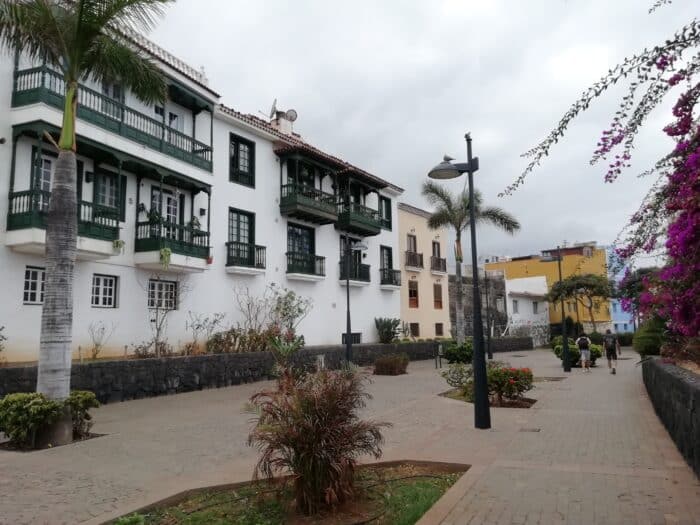
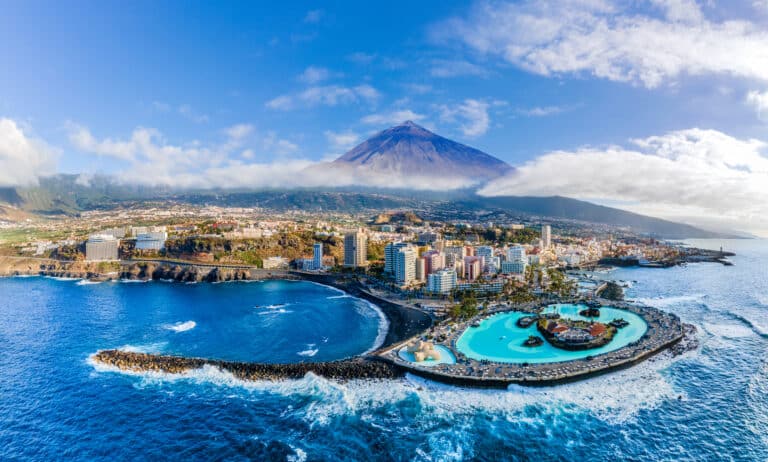
Puerto de la Cruz is a pleasant seaside town in northern Tenerife that has retained an authentic Canarian atmosphere. You’ll find a historic center with narrow streets, a coastal promenade, and the famous Lago Martiánez seawater water park. Thanks to its green surroundings, milder climate, and fewer tourists, it feels calmer than the resorts in the south of the island and is ideal for relaxed exploration and rest.
Lago Martiánez
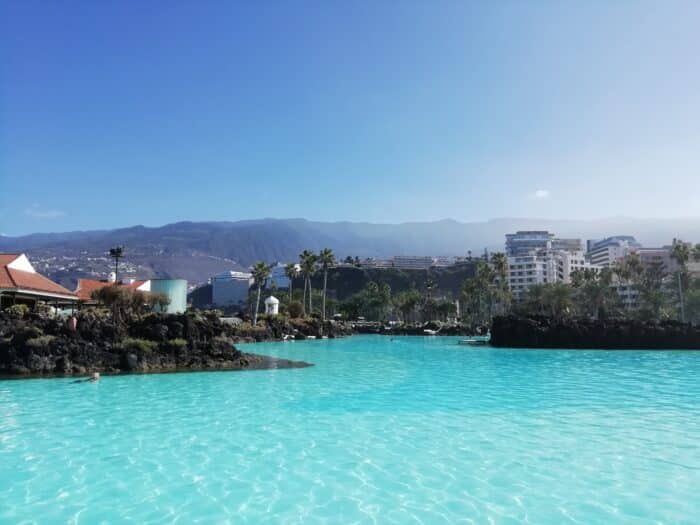
Lago Martianez, translated as Lake Martiánez, is a system of artificial seawater lagoons right on the ocean coast in the city of Puerto de la Cruz. The complex is also a cultural monument, a historic garden designed by the renowned Lanzarote artist César Manrique.
The Lago is divided into three parts according to the period of creation. The oldest is the San Telmo pool area, which borders the hermitage of the same name on the western side. The second zone consists of the Los Alisios pools, a system of three pools located in the central part of the complex. The final part is the area of the largest pool with five islands, covering an area of more than 15,000 m² in the eastern part of the complex.
You’ll find gardens, terraces, restaurants, and a casino here. Sun loungers and umbrellas are available for visitors. For an entrance fee of 7 euros for an adult and 4 euros for a child, you can spend the whole day here.
Jardín Botánico in Puerto de la Cruz
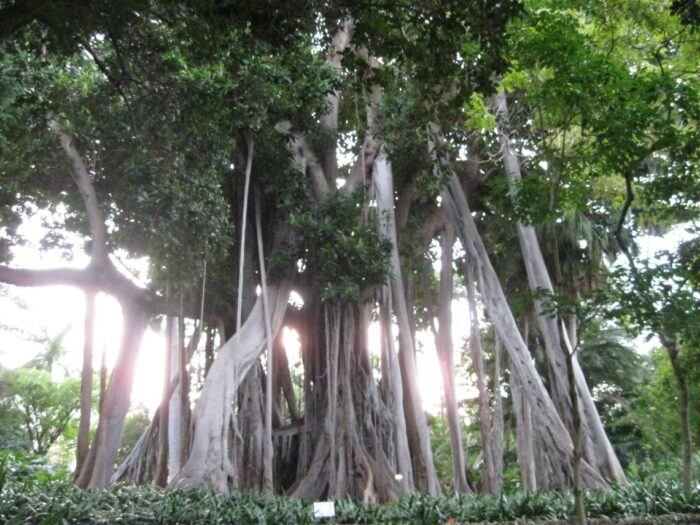
The Botanical Garden in Puerto de la Cruz was originally an experiment by Spanish King Charles III, who tried to acclimate tropical plants to the local climate with the intention of repeating the same step in Madrid. He didn’t succeed in that, but they thrive excellently in the botanical garden in Puerto de la Cruz. You’ll find 400 species of tropical plants from all parts of the world here. You can admire cinnamon trees, fig trees with massive aerial roots, pepper plants, coffee trees, breadfruit trees… A tour of the botanical garden will take you several hours; entrance is 7 euros for adults and 3.5 euros for children. The garden is open daily from 9:00 AM to 6:00 PM.
Jardín Acuático in Puerto de la Cruz
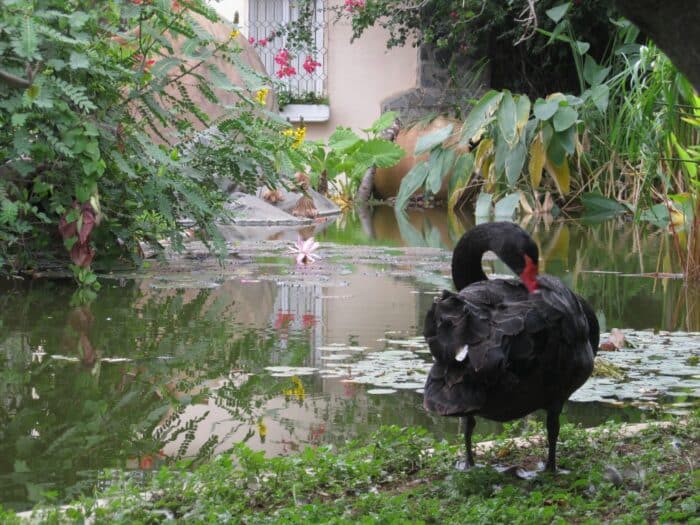
Jardín Aquatico, the water garden, is a charming corner of Puerto de la Cruz where you can escape the crowds and feel peace and quiet. Entry to part of the gardens is free, and there’s a cafe at the top. It’s best to take a taxi up and walk back down. For a small fee, you can then access the rest of the gardens, which slope down the hillside and offer ponds and diverse fauna. There are beautiful views from the top, and you’ll come across small waterfalls on the way down. But be prepared for very steep stairs and descents.
Sitio Litre Orchid Garden
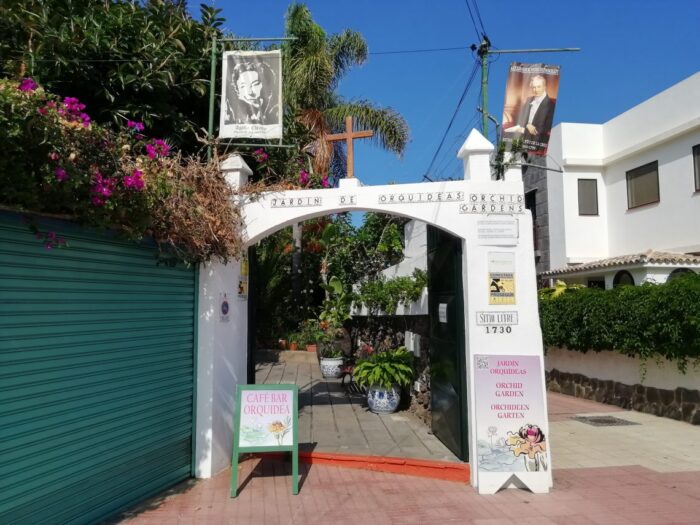
Sitio Litre is the oldest surviving garden in Tenerife, approximately 235 years old, and boasts, among other things, one of the most beautiful orchid collections in the Canary Islands. There’s a very old dragon tree and an amazing collection of orchids along with many other plants. The garden consists mainly of a network of narrow paths, but you’ll also find ponds, a fountain, several pergolas, and a cafe.
The Sitio Litre gardens have hosted many prominent figures. For example, botanist and painter Marianne North stayed here and created part of her famous Tenerife paintings in 1875, or writer Agatha Christie, who was inspired here in 1927 to write the novel The Mysterious Mr. Quin. Alexander von Humboldt, one of the most famous naturalists and explorers, was also an guest of honor, attending a celebration here in 1799. Although the house remains a private residence today, the gardens are open to the public.
Icod de los Vinos
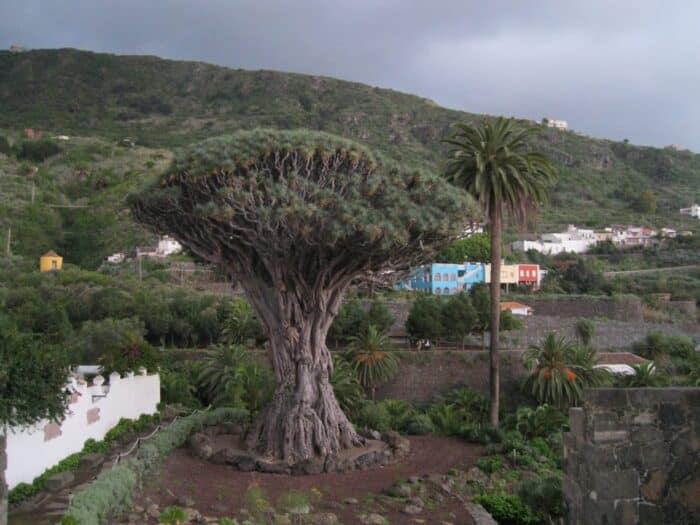
The coastal town of Icod de los Vinos is one of the oldest towns in Tenerife. It gained fame for its wines as early as the 16th century and was also home to an important sugar refinery in Tenerife. In 1798, the place was partially affected by fire and subsequently sensitively rebuilt to best highlight and utilize the surrounding green areas.
The biggest local attraction is the seventeen-meter-high, supposedly thousand-year-old dragon tree, Drago Millenario, which is the symbol of the city. According to scientists, however, the dragon tree is more likely “only” 600 years old. Even that is a respectable age. It has taken its toll on the tree—due to its age, it had to be reinforced with iron and concrete. To see it, you can pay entry to the park, or view the tree for free from the square.
You can also visit the Mariposario here, a tropical garden full of butterflies from all over the world.
In the vicinity of the town, you can visit the Cueva del Viento lava tubes as part of a guided tour; they have a mapped length of about 18 kilometers, making them the fifth longest in the world. Advance booking is required to visit them.
Orotava
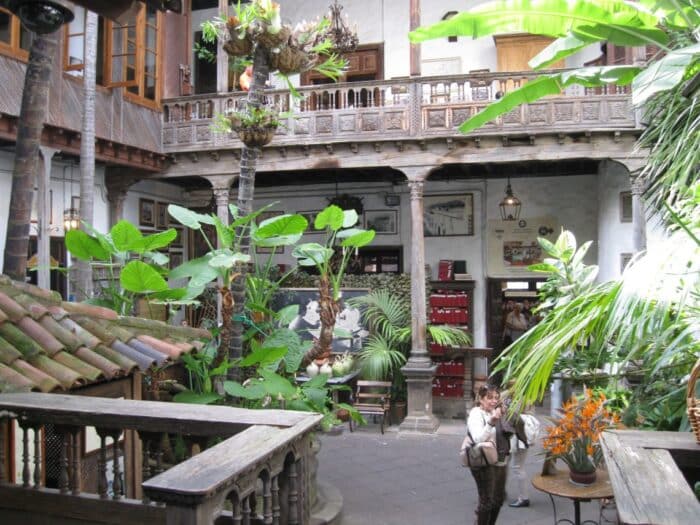
La Orotava in northern Tenerife is one of the oldest and best-preserved municipalities in the Canary Islands. Among the most famous local landmarks are the 18th-century Iglesia de la Concepción, the beautiful Casa de los Balcones from 1632 with carved wooden balconies, and the water mills where gofio was traditionally ground.
Ten of these mills have survived to this day and lie along an imaginary “water path,” a canal that once connected them. Part of this system also included public laundries and water troughs, which are valued today as important ethnographic monuments. Two of these mills are still in operation today.
You can enjoy a view of the sea from above in the terraced French Jardín Victoria gardens, full of flowers and fountains.
In the historic center of La Orotava lies the quiet Plaza del General Franco, which transforms into a small work of art once a year. During the feast of Corpus Christi, it’s entirely covered with patterns made of flowers and volcanic ash. Their preparation takes several months of meticulous work, but the resulting spectacle is one of the most beautiful traditions in Tenerife.
Book a tour of La Orotava here, combined with a gofio tasting and a tour of 12 water mills. You don’t have to worry about climbing—the guided tour leads down the streets of La Orotava and lasts three hours.
Garachico
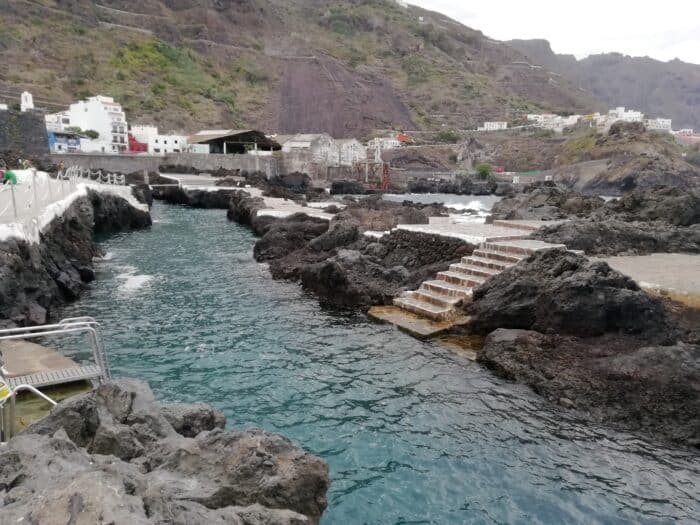
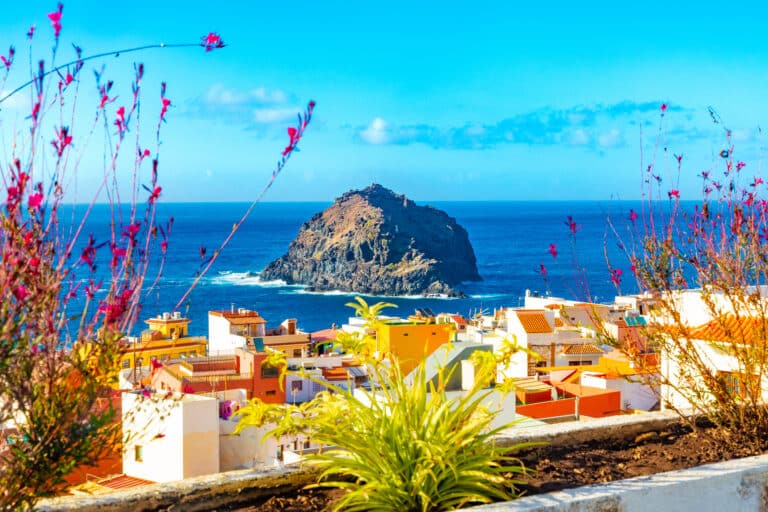
Garachico is one of the oldest settlements in the Canary Islands. It was founded at the end of the 15th century by a Genoese banker. Until 1706, it was the most important port on Tenerife. In 1706, the town was devastated by the eruption of the Volcán Negro volcano, and its lava covered most of the town. Today, you can only find the city gate and the fortress from the original construction. Nowadays, you can enjoy the picturesque streets with historic houses from the 16th and 17th centuries.
Local attractions include the natural sea pools piscinas naturales El Caletón formed from lava rocks, which create protected pools separated from the open ocean. Walkways and stairs have been built for comfortable and safe access to the water. We visited them and the swimming there was very pleasant.
You can head here, for example, as part of a full-day tour of Teide, Garachico, Icod, and Masca.
San Cristóbal de La Laguna
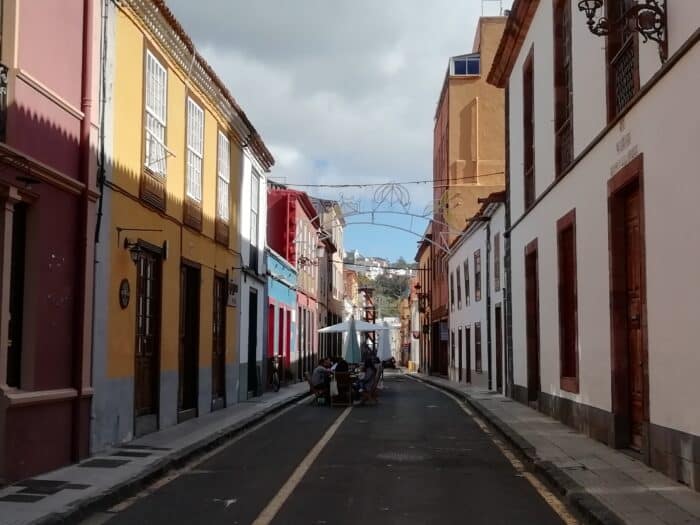
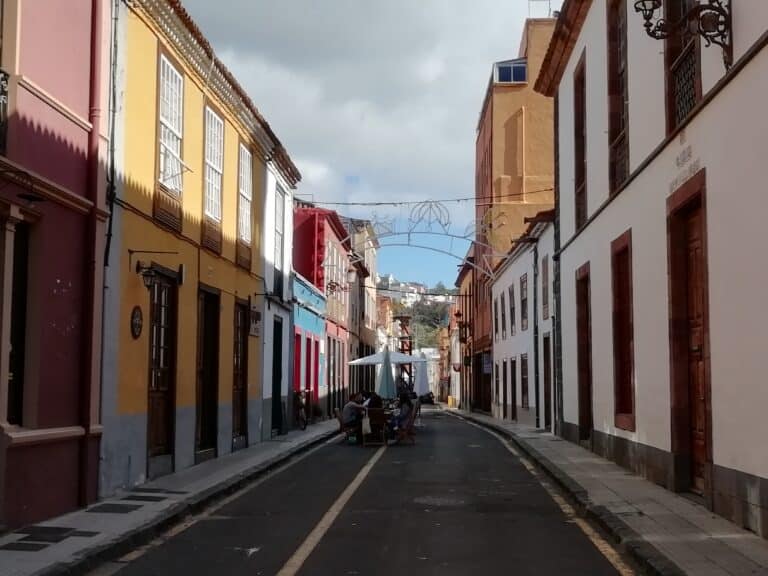
La Laguna is the first city founded in the Canary Islands. Its historic center is a UNESCO World Heritage site. You can admire the colonial architecture with typical wooden balconies, regularly arranged streets established as early as the 15th century, and an extensive pedestrian shopping zone, which give this historic university town a unique and unmistakable character.
You will find many churches and other religious buildings here. You can visit the Cathedral of Our Lady of Remedies, one of the most beautiful cathedrals in the Canary Islands, or the Bishop’s Palace, Palacio Episcopal.
Santa Cruz de Tenerife
The island’s capital, Santa Cruz de Tenerife, offers visitors monuments, museums, galleries, and shopping centers. Santa Cruz was founded on May 3, 1494, by the Spanish governor Alonso Fernández de Lugo and soon became a key port.
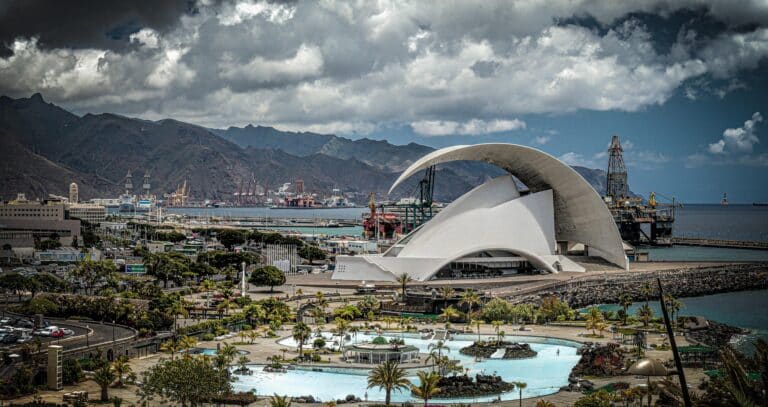
You can visit the Auditorio Adán Martín, the most significant modern building in the Canary Islands, as well as the Parque Marítimo César Manrique swimming complex with two large saltwater pools and a black sand beach, the Castillo de San Juan Bautista fortress (also called Castillo Negro because it is built of black volcanic stone), the Iglesia de la Concepción church, the Palmetum botanical garden, the Mercado Nuestra Señora de África market, or the picturesque Barrio Nuevo neighborhood. For shopping, you can head to Parque García Sanabria.
Masca
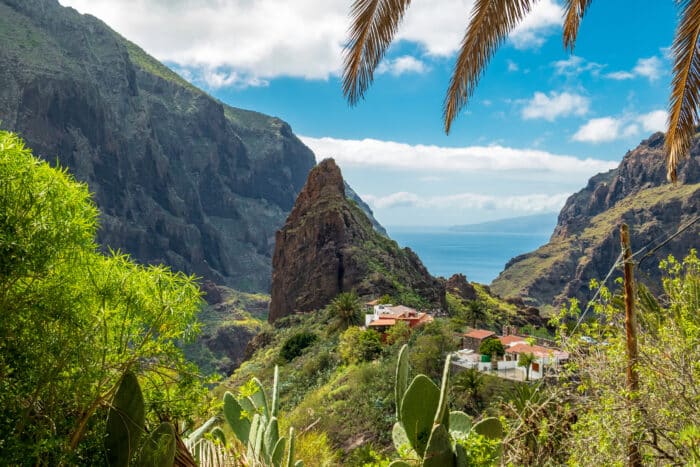
Masca is a picturesque village high in the mountains and also a gorge in western Tenerife. Pirates used to live here, and the only way to get here was on the back of a mule. Today, however, Masca is a popular destination for day trips. You’ll find craft shops, bars, and restaurants here.
The journey from the mountain village offers views of palm trees and terraced fields, while street vendors along the way offer prickly pears and oranges. In the village, you’ll find a small pub with a terrace that offers a beautiful view of the valley.
The Barranco de Masca trail leads down through the gorge to the ocean. The descent takes about 4 hours. You can then leave by boat or head back the same way – in that case, however, expect the return trip to be a steep uphill climb. The entrance fee is 40 euros for adults and 20 euros for children. Good physical condition is required for this trek. Don’t forget sturdy shoes and plenty of water.
To go here, you also need to make a reservation. Since December 2025, access to the Masca Gorge Trail has been strictly regulated. Visitors must arrive exclusively by public transport – the TITSA bus line 355 from Santiago del Teide. Arriving by any other vehicle directly in Masca is prohibited. If you arrive by car in Santiago del Teide, you must park near the cemetery and walk to the bus stop (approx. 10 minutes).
You must be at the bus stop in Santiago del Teide at least 1 hour before your reserved descent time, as the check at the Masca visitor center takes place 30 minutes before entering the trail. At the checkpoint, you must present your trail reservation, proof of travel on bus line 355, and also a boat ticket for transport from Masca Bay to Los Gigantes. Without meeting all these conditions, entry will not be permitted.
Boat transport is not included in the ticket price and must be arranged separately with approved carriers. Returning from Los Gigantes back to Santiago del Teide is possible by TITSA bus (lines 462 or 325). Additionally, a check of mandatory equipment and documents takes place before starting the route.
An alternative to arranging everything yourself is a guided hike with a boat trip.
Los Cristianos
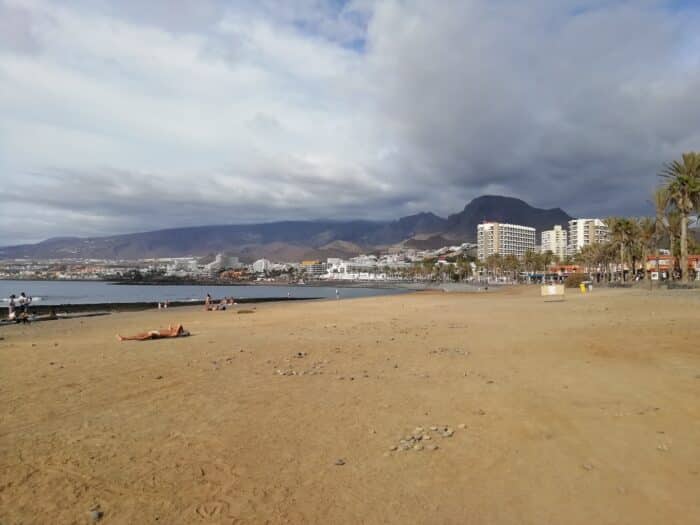
Los Cristianos is the oldest area in the southern part of the island. The town of Los Cristianos, along with Playa de las Américas and Costa Adeje, is part of the trio of the most famous beach resorts on Tenerife. The beach in Los Cristianos offers fine golden sand, access ramps, reserved parking, showers, sunbeds and umbrellas, free toilets, and walkways for people with reduced mobility. You will also find many bars and restaurants here.
In the resort of Los Cristianos, besides the beach of the same name, you will also find Playa de las Vistas with a wide promenade and many restaurants, and Playa del Camisón, which is quieter and also suitable for families with children.
Los Gigantes Cliffs
The name Acantilados de los Gigantes means “Cliffs of the Giants.” They were previously also called the “Wall of Hell” or the “Devil’s Wall.” The basalt cliffs, which were formed several million years ago by volcanic activity, are 600 meters high and tower high above the ocean. There is a beautiful view of them, especially at sunset. At their base, you will find the village of the same name, from which you can go on a boat trip to admire the cliffs from the sea surface, or head out for whale and dolphin watching.
Nearby you will find the beautiful volcanic beach Playa de la Arena, which boasts the European Union Blue Flag. The sea in this area is only about 30 meters deep, which creates ideal conditions for rich underwater life. Thanks to this, the bases of the cliffs are full of fish and other creatures and are among the favorite spots for divers and fishermen.
Tenerife Zoo Monkey Park
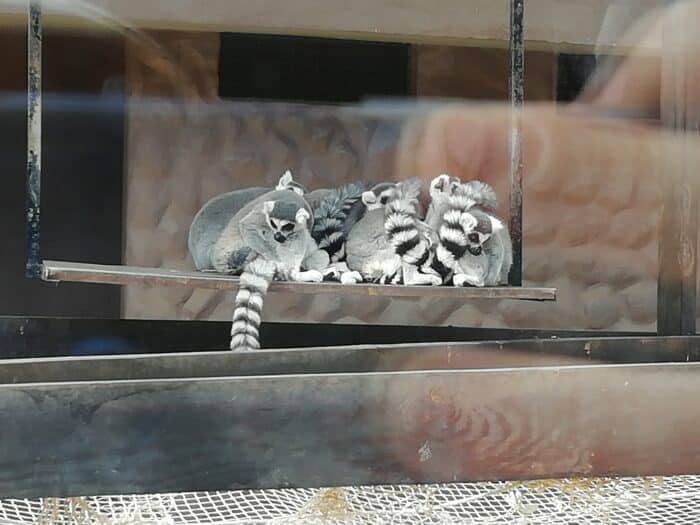
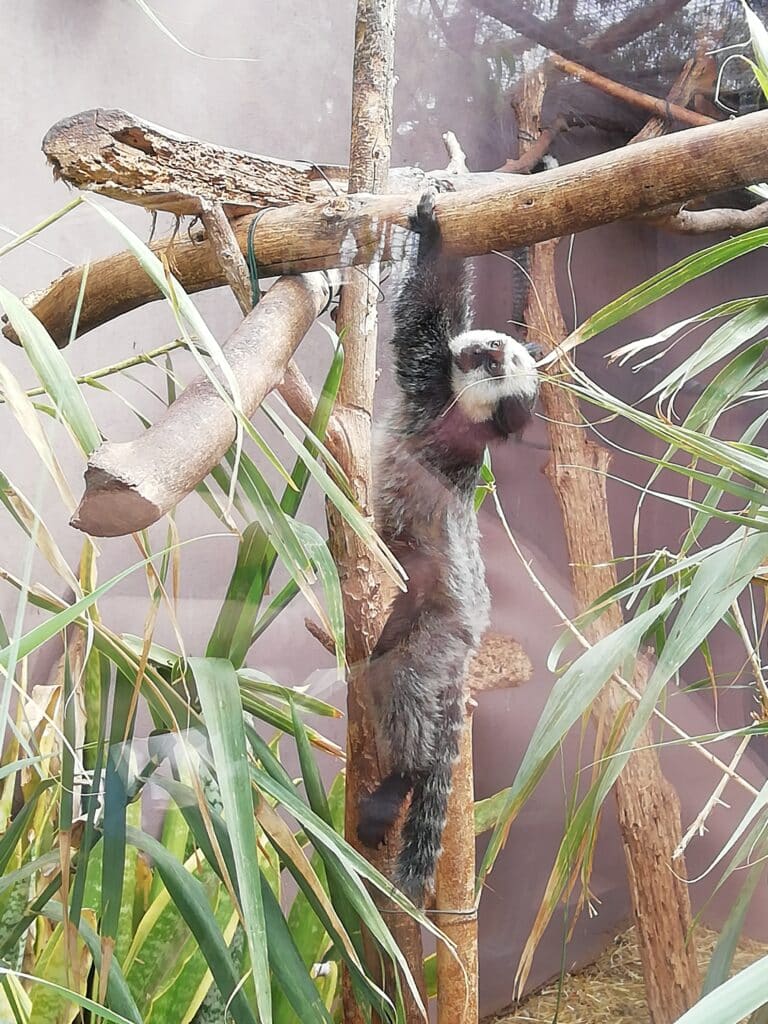
The monkey zoo in Tenerife offers a pleasant walk through gardens with shady spots to rest and the chance to get to know various species of monkeys. You can find it near the tourist resort of Los Cristianos in the south of the island. In addition to primates such as lemurs, chimpanzees, and various types of tamarins, you will also find snakes and an exhibit of exotic birds including macaws, cockatoos, and even a toucan. The complex also includes a pond with crocodiles and turtles, crossed by a wooden bridge. Some animals can be petted or even fed. For example, a small monkey jumped on my shoulder here.
The zoo focuses on breeding endangered species and caring for rescued animals. It gives visitors the chance to get closer to the animals, admire their beauty, and learn more about them at the same time. It is an unconventional zoo, ideal for a family trip. You can stop here on your way from the north of Tenerife to the southern beaches, as we did.
Mirador Las Teresitas
The Mirador Las Teresitas viewpoint lies above the beach of the same name and offers one of the most impressive panoramic views of Tenerife. From a height of about 100 meters, you can clearly see the entire bay with its golden sand, palm trees, the village of San Andrés, and the dramatic Anaga Mountains. It is ideal for photography, especially early in the morning at sunrise, when the landscape has soft light and the views look particularly magical.
Arco de Tajao
The Arco de Tajao rock bridge, a natural arch about 30 meters long, lies in an inconspicuous ravine near the highway between Candelaria and Tenerife South Airport. The unusual rock formation feels fragile yet monumental. It was created by the long-term action of water, which gradually washed away the softer parts of the lava flow, while the harder rocks remained. The exposed lava “crust” thus created an impressive arch, roughly 30 meters long, resembling a natural rock bridge. You can combine a trip here with a swim in nearby San Miguel de Tajao.
Paisaje Lunar
The Lunar Landscape, as this place is poetically called, lies on the southern slope of Mount Guajara on the edge of the Las Cañadas caldera. It is a small “rock town” made up of unique tuff formations. The tuff was formed from volcanic ash ejected during eruptions, which solidified over time, and subsequent erosion shaped it into dozens of towers and needles. These have shades ranging from white to yellow to ochre. Paisaje Lunar lies halfway between the village of Vilaflor de Chasna and the Los Roques de Garcia rock formations. Buses run to both places; it is very difficult to get here by car.
Barranco del Infierno
The Barranco del Infierno ravine, translated as Hell’s Ravine, named so for its inhospitable character, is a nature reserve. You can find it in the southeast of Tenerife, in the municipality of Adeje. A marked trail leads along a stream and an irrigation canal through wild territory full of narrow passages, steep rock walls, and typical local flora. At the end of the three-hour trail, you can admire a 200-meter-high waterfall.
You can encounter many endemic species here. Also interesting are the caves with rock carvings. The route starts at the parking lot above the town of Adeje and measures approximately 3.5 km one way to the waterfall, from where you return by the same path. Although the elevation gain is not significant, the rocky surface requires sturdy hiking boots. Entry to the trail is limited to 300 people per day, so it is necessary to book in advance. The entrance fee is 11 euros.
Güímar
In the town of Güímar on the east of the island, you can admire the strange six-step pyramids, which spread more in width than in height. Originally there were nine of them; today you can find the well-preserved remains of six. Archaeologists believe that these are not real pyramids, but piles of stones piled up by farmers. However, Thor Heyerdahl, who studied the pyramids in Güímar, argues against this – according to him, they show signs of deliberate processing and astronomical orientation.
An ethnographic park was built on the site of today’s pyramids, the creation of which was initiated by Thor Heyerdahl along with another Norwegian sailor, Fred Olsen. The complex offers a small ethnographic museum and an exhibition dedicated to Heyerdahl’s seafaring discoveries, including a replica of the famous Inca ship Kon-Tiki.
Finca La Canopea Plantation
The only vanilla plantation in the Canary Islands, Finca La Canopea, shows that even a seemingly inhospitable landscape can transform into a vibrant subtropical ecosystem. Thanks to permaculture practices, an environment full of edible plants is created here, where vanilla has successfully adapted to local conditions. During the tour, you will learn how vanilla is grown, pollinated, and processed, and during the flowering period from April to June, you can see this whole process with your own eyes. This small but exceptional vanilla production is completely unique in the Canary Islands. You can get tickets for the tour here.
Hiking in Tenerife
Montaña Blanca
The trek across Montaña Blanca to the summit of Pico del Teide is one of the most beautiful but also most demanding hikes in Tenerife. It is a full-day trip that gradually takes you into the increasingly raw and almost lunar landscape of the Parque Nacional del Teide, full of lava fields, volcanic cones, and colorful minerals. As the altitude increases, breathtaking views of the entire island and the surrounding Canary Islands open up, while the thin air and significant climate change are noticeable. The climb requires good physical condition, plenty of water, and the right equipment, but the reward is the unique experience of walking through one of the most impressive volcanic landscapes in Europe.
Anaga
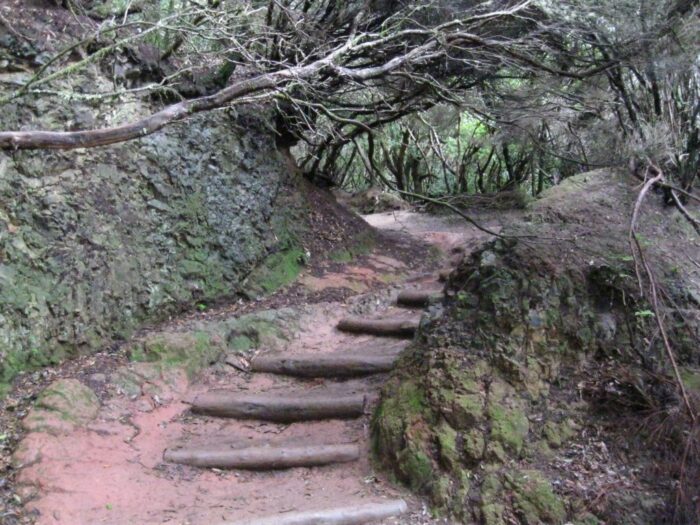
The Anaga Mountains in northeast Tenerife are a biosphere reserve famous for their laurel forest, dramatic ravines, and exceptionally rich endemic nature, which remains green and humid all year round thanks to northern rainfall. The area offers trails of varying difficulty, from the easy Path of the Senses at Cruz del Carmen to the more demanding Chamorga loop with ocean views, the Faro de Anaga lighthouse, and swimming opportunities. A reservation is required for the popular Enchanted Forest trail, as only a limited number of visitors are allowed per day.
Another option is Cruz del Carmen – Chinamada, a medium-difficulty trek that takes you through the beautiful landscape of Anaga and past traditional cave dwellings carved into the rocks.
The Taganana – Afur – Playa de Tamadite circular route takes you through the dramatic landscape of Anaga to a wild beach surrounded by cliffs. Along the way, breathtaking views of the ocean and deep ravines open up, and the reward is a peaceful place far from the tourist crowds.
Masca Gorge
Barranco de Masca, a picturesque mountain village and also a famous gorge in western Tenerife, where people today head for a demanding but very impressive trek leading through the ravine to the ocean. The descent takes about 4 hours, requires good condition, sturdy shoes, and plenty of water; you can return by boat or the same way up the steep hill. From December 2025, entry is only possible with a reservation and mandatory transport by TITSA bus from Santiago del Teide, with checks taking place before starting the trail.
If you want to enjoy the Masca Gorge without worries, book a guided hike with a boat trip and transport to the site.
Sendero Roques de García
The Sendero Roques de García trek is one of the most iconic routes in Parque Nacional del Teide. A short circular loop approximately 3.5 km long takes you among bizarre rock formations of volcanic origin, the most famous of which is Roque Cinchado. The trail is well-marked and manageable even for less experienced hikers, yet it offers impressive views of the Pico del Teide volcano and the surrounding lava landscape, which resembles another planet. It is an ideal choice if you want to experience the atmosphere of Teide without a full-day demanding hike.
GR 131 is a long-distance route leading across the whole of Tenerife, from north to south over mountain ridges, the laurel forests of Anaga, and the volcanic landscape of the Teide National Park. It is ideal for experienced hikers who want to get to know the island in depth and walk through its most diverse natural areas.
Theme Parks in Tenerife
Loro Park
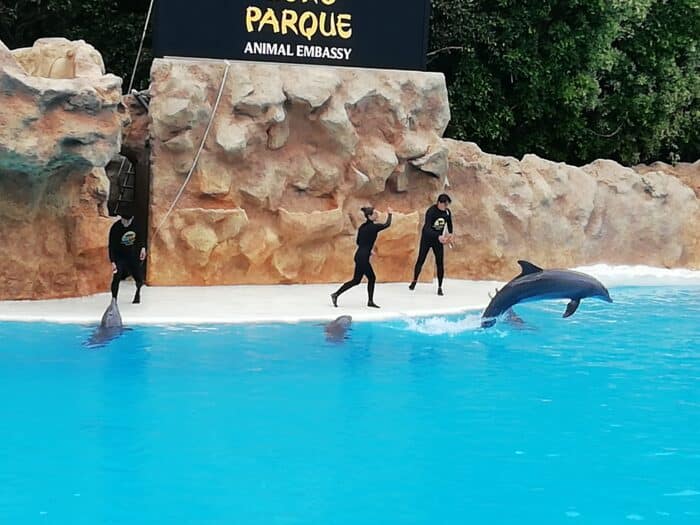
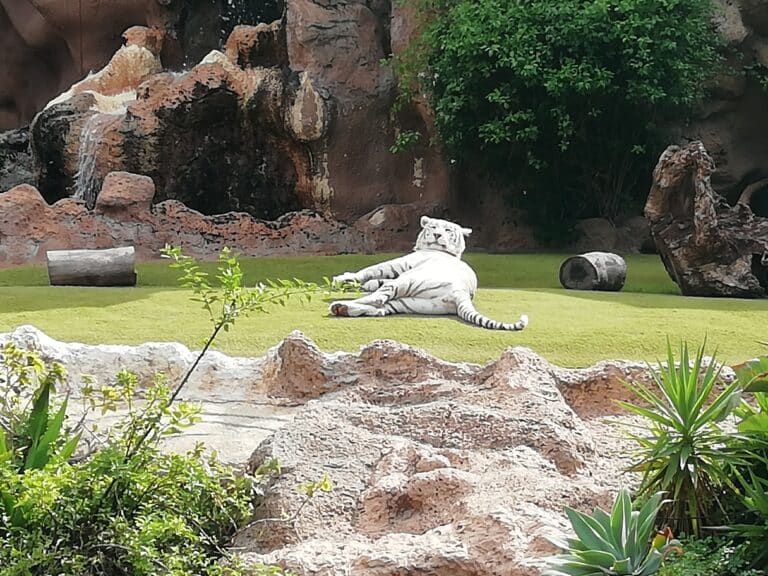
Loro Park boasts the title of “best zoo in the world” on its website. You can judge for yourself whether it’s true when you visit. You can see more than 400 species of animals here. The icing on the cake are the performances by dolphins, orcas, seals, and parrots. Loro Park strictly ensures that the animals are well cared for, so you can enjoy the performances without guilt. You can buy tickets for Loro Park online here. Loro Park is also easily accessible for visitors in wheelchairs.
Children can have fun in Kinderlandia, which is a children’s entertainment zone in Loro Parque. It offers children adventures in the jungle, adrenaline while crossing suspension bridges, and the chance to ride the Orca Train.
Read also: Loro Park Tenerife: more than a zoo. A world of animals that will surprise you
Siam Park
One of the largest water parks in the world can be found in the north of Tenerife. You will find both relaxing and extreme attractions here, so it is suitable for families with children as well as adrenaline sports fans. You can ride the largest artificial wave in the world here.
If you are brave, try the Tower of Power – a slide where you plunge almost vertically down through a shark aquarium, or the Kinnaree – a giant 200-meter-long hybrid water slide.
You can buy a basic ticket to Siam Park online here. If you want fast-track entry to all attractions, lunch with drinks included, and equipment like towels and lockers, you can buy an all-inclusive ticket. If you plan to visit Loro Park as well, you can buy a combined ticket for both these parks without waiting in line.
Aqualand Costa Adeje
The Aqualand Costa Adeje water park in the south of Tenerife combines a water park with dolphin performances. The park boasts an award from the International Association of Marine Animal Trainers as the best dolphin show in the world. For children, the water park offers artificial waves, fairy-tale castles, and slides; adults can enjoy a heated jacuzzi, hammocks, and the Lava River waterfall. You can get tickets here.
Jungle Park
Jungle Park offers visitors the most famous falconry show in the Canary Islands, where birds of prey fly directly over the heads of the audience. Children can pet or feed the birds of prey.
Even the youngest will have a blast here. Jungle Raid offers children an adventurous climbing frame. Rope bridges, dark tunnels, and narrow passages connect into a 300-meter-long route that winds high above the ground. The bobsleigh track is also fun, offering excitement from start to finish on a track more than 800 meters long. You can buy a ticket here.
Experiences in Tenerife
Whale and Dolphin Watching
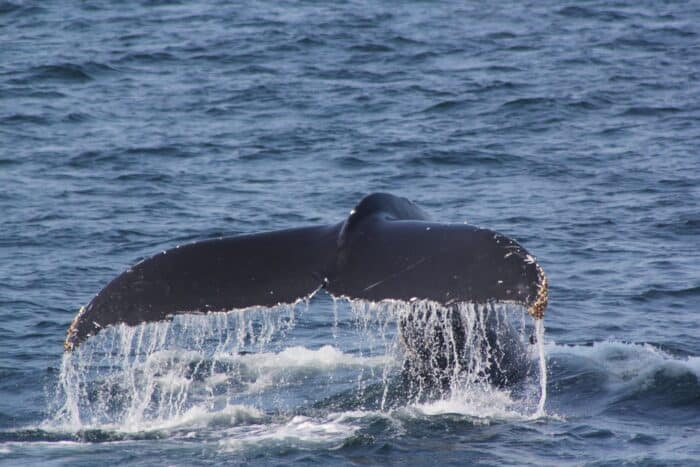
Whale and dolphin watching is one of the greatest experiences in Tenerife. Thanks to the deep waters of the Atlantic off the south coast, pilot whales and dolphins live here all year round, so the chance of an encounter is very high. Boat trips mainly depart from the ports of Los Cristianos and Costa Adeje and often combine marine mammal watching with coastal views and swimming in the ocean.
You can buy a ticket here for whale and dolphin watching from the deck of a luxury eco-yacht, including a stop for swimming and a visit to the Cave of Love. The cruise lasts about two hours and an English guide is available to you.
If you want to enjoy yourself mindfully, you can book a dolphin and whale watching cruise without chasing them. The cruise lasts about two hours, including a stop in Los Cristianos and a fifteen-minute tour of the town with an English-speaking guide.
Stargazing with an Astrophysicist
In the Teide National Park, you can enjoy stargazing through a telescope with an astrophysicist in a small group (maximum 10 people). The island boasts the prestigious Starlight certification, which confirms exceptionally high-quality conditions for astronomy. Thanks to very low light pollution and its location at an altitude of over 2,300 meters above sea level, it offers an exceptional and breathtaking view of the starry sky. The commentary is in English. The experience lasts 1.5 hours.
Medieval Show and Banquet at Castillo San Miguel
Experience the true atmosphere of the Middle Ages with the knights of the round table in the fairy-tale castle of Castillo San Miguel. A thrilling knightly tournament awaits you, combined with a three-course dinner in authentic medieval style. You will also get to know noble Spanish horses and majestic birds of prey. The experience lasts 2.5 – 3 hours and is in English. You can get tickets here.
What to do in Tenerife with children
Families with children will definitely not be disappointed in Tenerife. The island offers top theme parks, such as Loro Parque with exotic animals or the Siam Park water world, which is among the best in Europe. Younger children will enjoy beaches with a gradual entry into the sea and black volcanic sand, such as Playa Jardín and Playa La Arena, while older ones will like Jungle Park with its rope courses and 800-meter-long bobsleigh track, or boat trips to see dolphins and whales. There are also easy nature trips, for example to the Teide volcano, where adventure can be combined with learning. In short, Tenerife is an ideal combination of fun, nature, and relaxation for the whole family.
Trip to Tenerife
Don’t want to worry about anything? Buy a trip to Tenerife with yoga by the Atlantic and a climb up El Teide flying from Prague. You’ll explore the historic center of Puerto de la Cruz, head to Las Cañadas del Teide National Park, and experience an adrenaline-filled drive across the crater floor and through the Masca mountain gorge. You’ll go on a trek around the El Chinyero volcano, see the beautiful corners of Orotava, enjoy a trek in the Anaga mountains with a visit to the cave village of Chinamada, and discover San Cristóbal de la Laguna with its UNESCO-listed historic center. And in between, you’ll have a nice stretch with a yoga instructor.

Ahoj, já jsem Hela. Cestování je pro mě radost i detektivní práce zároveň. Před každou cestou totiž nadšeně prozkoumávám všechno, co se o daném místě dá zjistit, od zajímavostí a historie až po praktické detaily, které se při plánování opravdu hodí.
Právě proto vznikla Všudybylka. Sdílím tu přehledné průvodce, tipy na ubytování, nápady kam vyrazit v různých částech roku i recenze cestovatelského vybavení, které mi na cestách skutečně pomohlo.
Když zrovna necestuji, najdete mě zabranou do dobré fantasy nebo sci-fi knihy s některou z mých pěti potkanek na rameni.